
A visit to Sittilingi
- barebonestudio architects

- Aug 1, 2025
- 3 min read
Updated: Aug 2, 2025
A Model for Community-Based Development
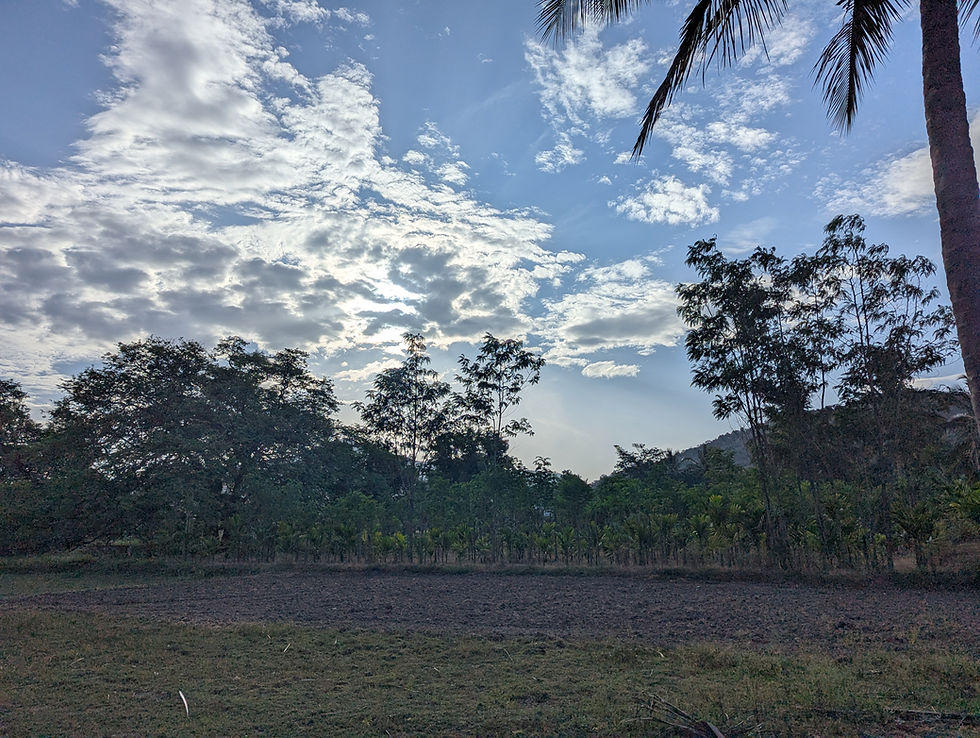
Sittilingi is a quiet tribal village nestled in Tamil Nadu's Dharmapuri district, home to the Lambadi community. Tucked in a valley surrounded by hills, Sittilingi feels quietly alive - where the rhythms of farming, craft, and community flow steadily through daily life.
Over the past few decades, it has transformed through grassroots efforts initiated by Dr.Regi and Dr.Lalitha.
In a world where the rich keep getting richer, Sittilingi offers a community led model of living, fostering livelihoods and creating opportunities for many. There's no competition, there's only collaboration, support and collective growth in such a community.
The people of Sittilingi valley are working towards self- sufficiency and holistic development through various initiatives that began with the Tribal Health Initiative and later expanded organically based on the needs of the people. These include Thulir school, Porgai Artisans Association and SOFA(Sittilingi organic farmers association).
Their striving toward quality is reflected in the products created by SOFA, the localized approach to forming the syllabus in Thulir school, to the various experts they seek collaborations with in Porgai & in the construction of the buildings.

Architecture as a Support System
As an architect myself, I found the journey of Ar. Anuradha and Ar. Krishna particularly inspiring.
In their words, "Architecture is not the end,but a means — a tool to support and respond to the evolving needs of their community. They founded and taught at Thulir School — a timely and thoughtful intervention born out of the urgent need for a locally relevant learning space. They went on to design and build a campus that evolved organically, growing phase by phase. Extending this vision further, they shaped the physical infrastructure for the range of local industries and services. All of these, together, embody a philosophy of true development -where architecture is not the end, but a means.

Design Thinking Rooted in Context
The spaces they've helped create are defined by simple yet impactful innovations. Their design solutions are deeply rooted in the geographic and social fabric of the place, while remaining imaginative and unbound by rigid conventions — whether 'mainstream' or 'alternative'.
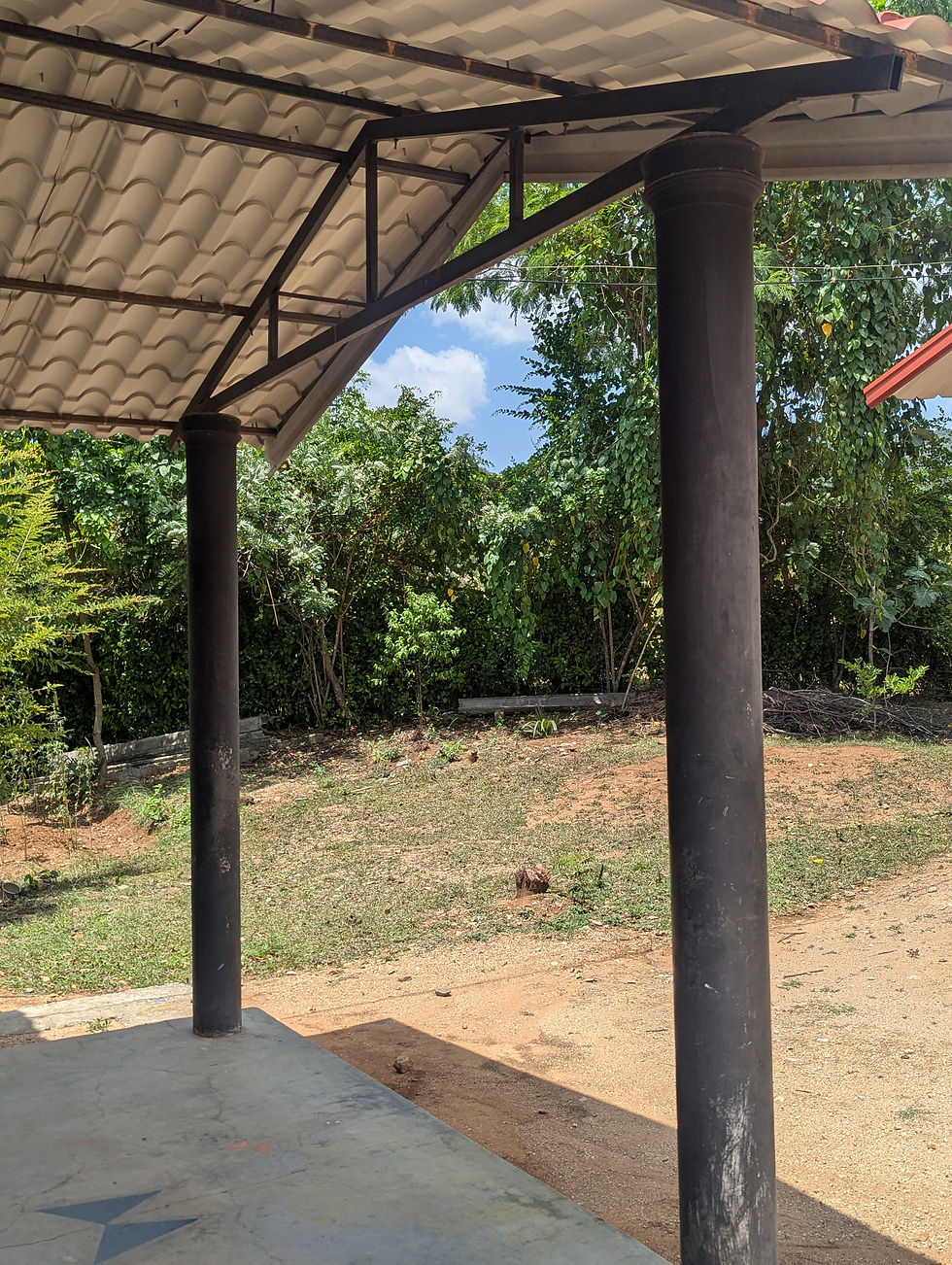
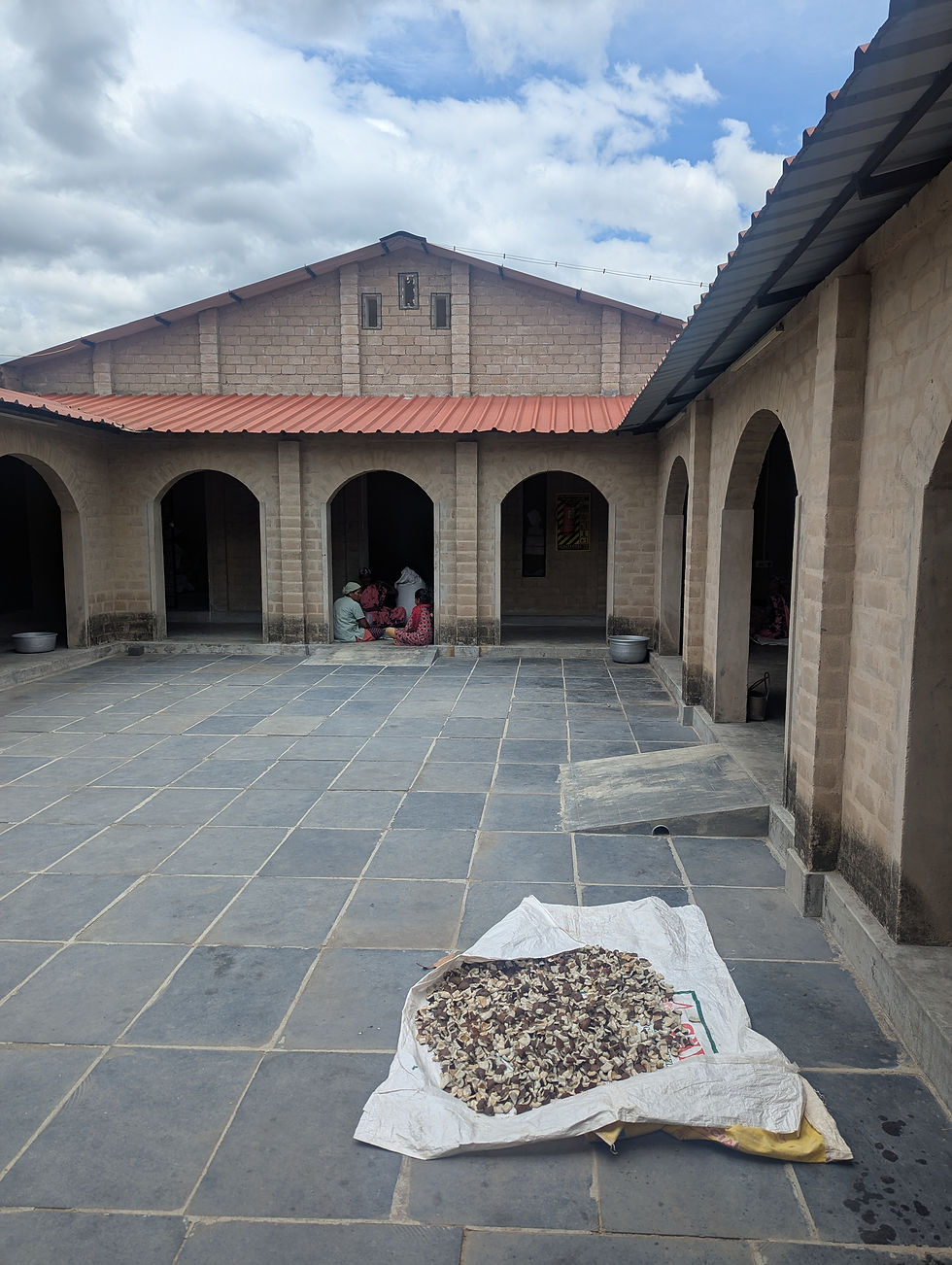
By working with locally available materials, adapting construction techniques optimized to skill sets, and simplifying logistics, they've arrived at solutions that were both practical and inventive. Examples include the use of precast elements to eliminate the need for shuttering, concrete fins as shading devices for windows, and repurposing concrete sewer pipes as moulds for circular columns. There was thoughtful spatial planning ; In the school, there was hierarchy of volumes, enclosures & proportions keeping the user group in mind. The small ornamental details like the flooring pattern, grill detail, bring playfulness. In the SOFA building, the rhythm in the form , and the verandahs, porches and courtyards in the residences are a few examples of the spatial planning.

Practical Approach to Materials
There was no dogma in the choice of materials for walls, roofs, floors or windows - natural or industrial - only a practical open minded approach that enquired what made sense for that particular space and place. They built mud-concrete walls, metal & fiber-cement double sheet roof, Masonry vaults, Space frame structures, Thatched roof, frameless doors& windows, no glasses for any of the windows - just to name a few.


Building Through Community Integration
Maybe this is what it truly means to build - to build physical structures, shape spaces, nurture communities. Not as an Urban planner, not as a Philanthropist , but as an active member of the community - Living, listening and building together.
(Of course, this isn’t a complete picture — there’s still more to say about the valley, but this is what stayed with me most.)
As a teacher my interest is pulling me to Sittilingi, to witness the very essence of complementary growth in a community. The narration is well worded and serves as a teaser which compels one to spend meaningful minutes at the thulir school in particular.
Such a thoughtful, easy-to-navigate article about sustainable architecture and how it relates to culture, collaboration, and regional restrictions.